Where is that cheque? Following each one until it is cashed
A cheque in a folder is not money yet. How to follow cheques and promissory notes from receipt to cash-in, and see at once which ones came back unpaid.
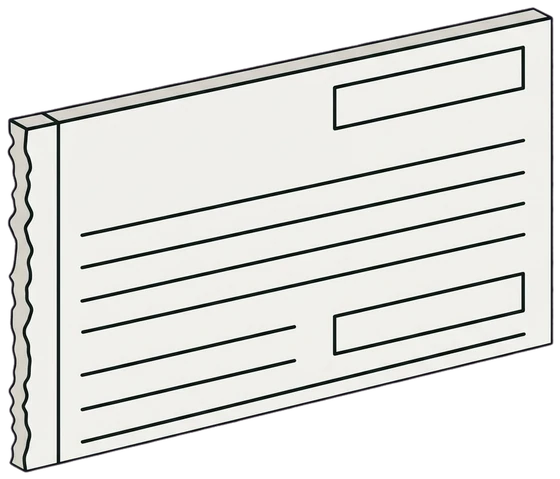
The finance director asks a simple question: which cheques are we still waiting on? Nobody can answer from one place. Some are with the reps, some at the depot, some in a folder at the office, and some have already gone to the bank. A list exists, in a notebook or a spreadsheet, and it is as accurate as the last person who remembered to update it.
The sales side has its own version of the problem. A rep says the client has paid, because he has the cheque in his hand. For him the matter is closed. For the company it has barely started.
A cheque is not money yet
Paper is how a great deal of credit sales get settled, and it creates a trap. Once a cheque or a promissory note is received, the order looks paid. It is not. Until the bank credits the account, the risk is still there, and a cash forecast that counts paper as money will overstate what the company has.
The danger grows with time. If a cheque comes back unpaid and the news reaches the direction late, the goods have left and the client may have ordered again in the meantime.
The states of a cheque, read the same way by everyone
DeepComm follows each cheque and promissory note through a cycle that appears on screen, under the same words for everyone:
- Pending: received, not yet at the bank.
- Validated: checked internally before it goes further.
- Remitted: handed in to the bank.
- Cashed: the money is on the account.
- Unpaid: the bank has refused it, and the risk is open.
The record holds what the office would otherwise have to chase: the bank and the reference for a cheque, the due date for a promissory note, and the photo of the proof taken when it was received.
Who is allowed to move a cheque?
The person who collects a cheque is usually not the person who should declare it good, and the app keeps those two jobs apart. A rep can record what he received in the field, but he cannot validate a cheque. Changes of state are kept for finance profiles: finance management, general management and regional management. Sales administration can do it only if general management has opened that capability, which is a switch and does not require changing anyone’s role.
Cash and transfers do not go through this cycle. Confirming cash stays an operational act at the depot, which leaves finance management to concentrate on the instruments that tie up the bank and the treasury over time.
General management and regional management can also open the history at the bottom of a record and read who did what, and when.
What the direction sees, and what happens to an unpaid cheque
Pending cheques sit on the direction’s dashboard next to revenue and receivables, so the question from the first paragraph no longer needs a round of phone calls.
The client balance goes further and keeps paper apart from money. What is cashed has its own column. Cheques and notes handed in but not yet cashed appear as covered, which means in transit. Refused ones appear as disputed. A client who has “paid” with a cheque still in the cycle therefore shows as covered, and his credit ceiling does not free up until the money is really in. The statement keeps the cheque or note reference in its history.
When a cheque comes back unpaid, the amount moves to disputed and stays visible. If the client hands over a new cheque to replace it, the new one starts again at Pending and goes through the same steps as the first.